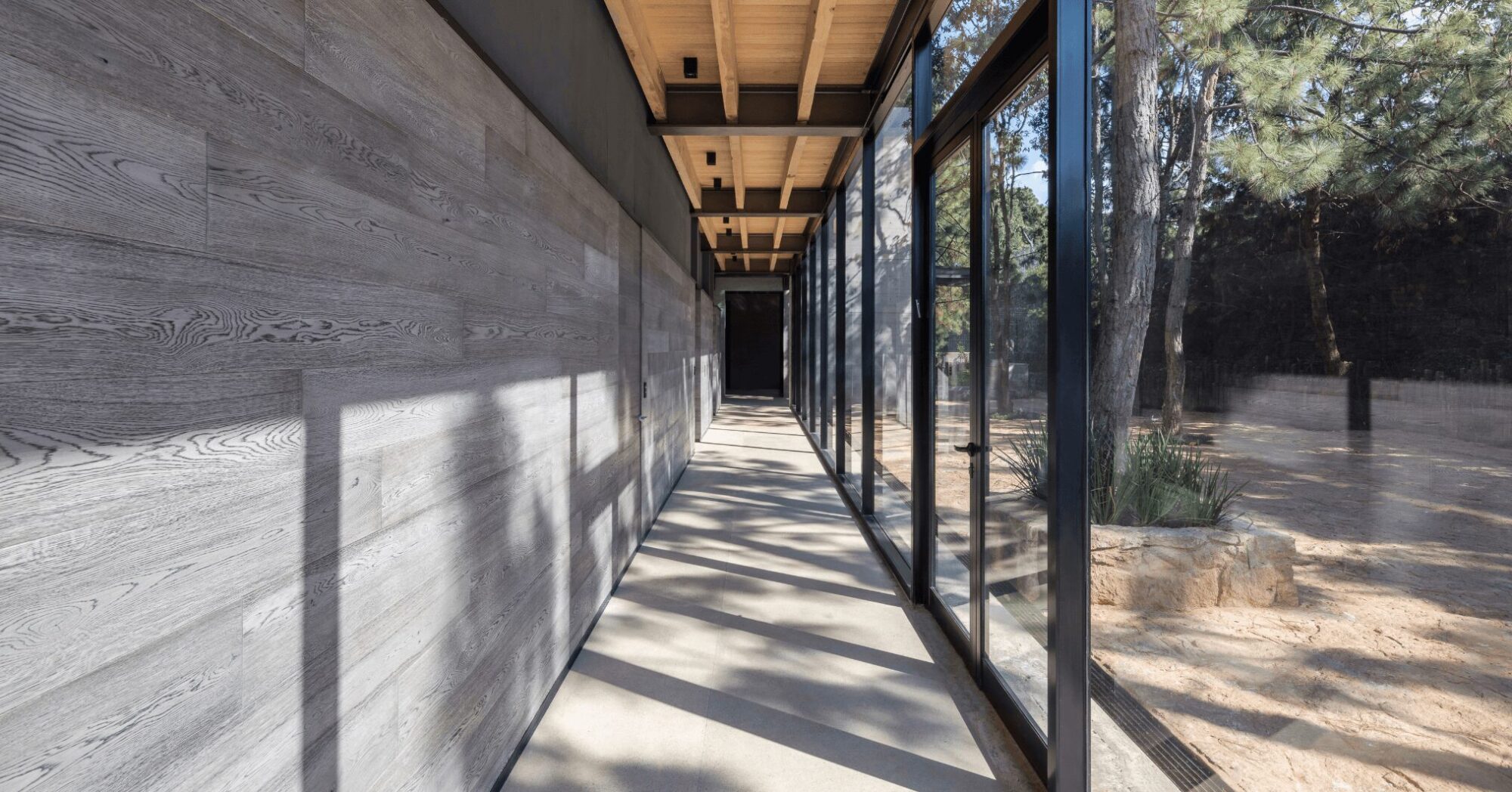
In contemporary architecture, natural light is more than a functional resource. It is an element capable of transforming the perception of space, revealing the materiality of a project, and shaping atmospheres that evolve throughout the day. Its presence influences the way we inhabit spaces and how architecture is experienced, becoming a fundamental tool for defining character, depth, and balance within a project.
Designing with natural light means thinking about architecture beyond its form. The orientation of the building, the size and placement of openings, the relationship between interior and exterior spaces, and the depth of the layout all determine how light enters, filters, and moves through each environment. The goal is not simply to illuminate a space, but to allow architecture to engage in a dialogue with its surroundings and with the natural rhythm of the day.
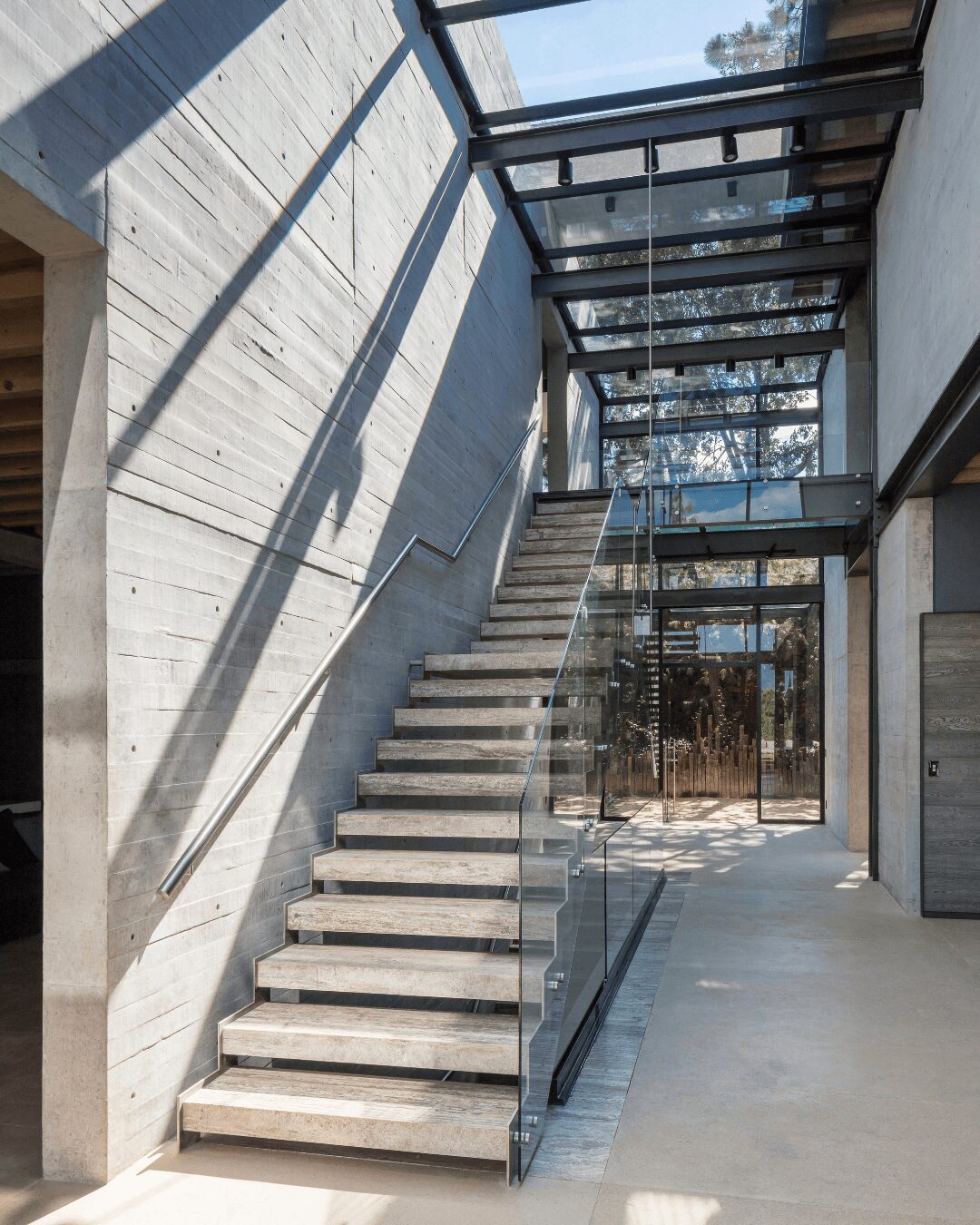
Throughout the day, light continuously transforms the space. In the morning, it may highlight the texture of a wall or the warmth of a material; at midday, it can expand the perception of the interior; and by evening, it can cast deeper shadows that redefine the space’s atmosphere. This constant variation allows a single environment to be experienced in multiple ways, creating architecture that never feels static.
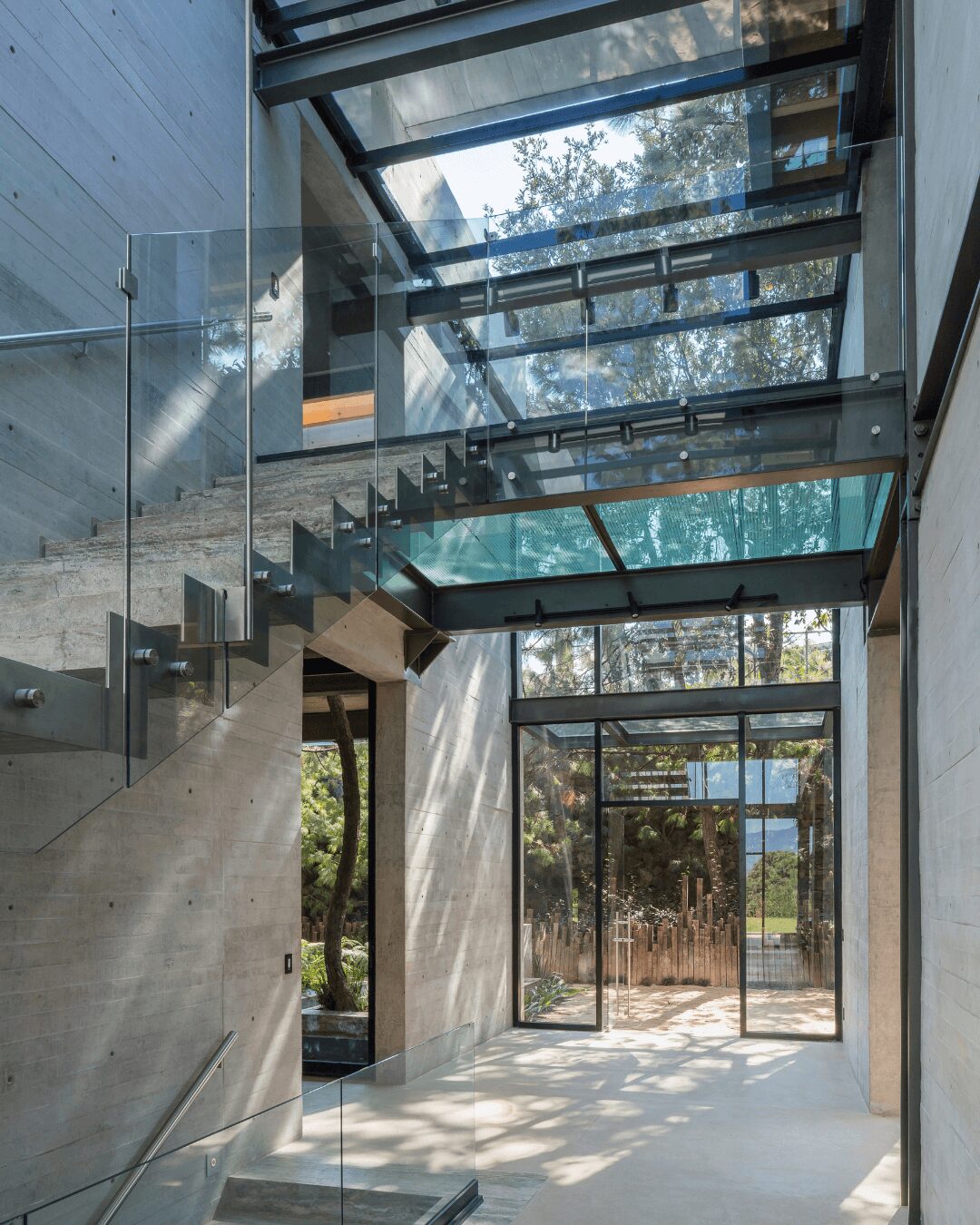
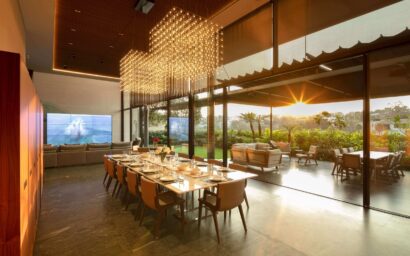
When thoughtfully integrated, natural light can also expand the perception of space. Well-lit interiors often feel more open, lighter, and more connected to their surroundings. Large windows, interior courtyards, double-height spaces, and fluid transitions between interior and exterior become strategies that allow light to penetrate deeper into the project, generating spatial continuity and a greater sense of openness.
The relationship between light and materiality is another essential aspect of contemporary architecture. Light has the power to reveal the qualities of materials and emphasize their textures. Surfaces such as stone, wood, or concrete acquire new dimensions when light interacts with them, producing contrasts, reflections, and shadows that enrich the spatial experience. As the day progresses, these materials respond differently to light, adding dynamism and depth to the architecture.
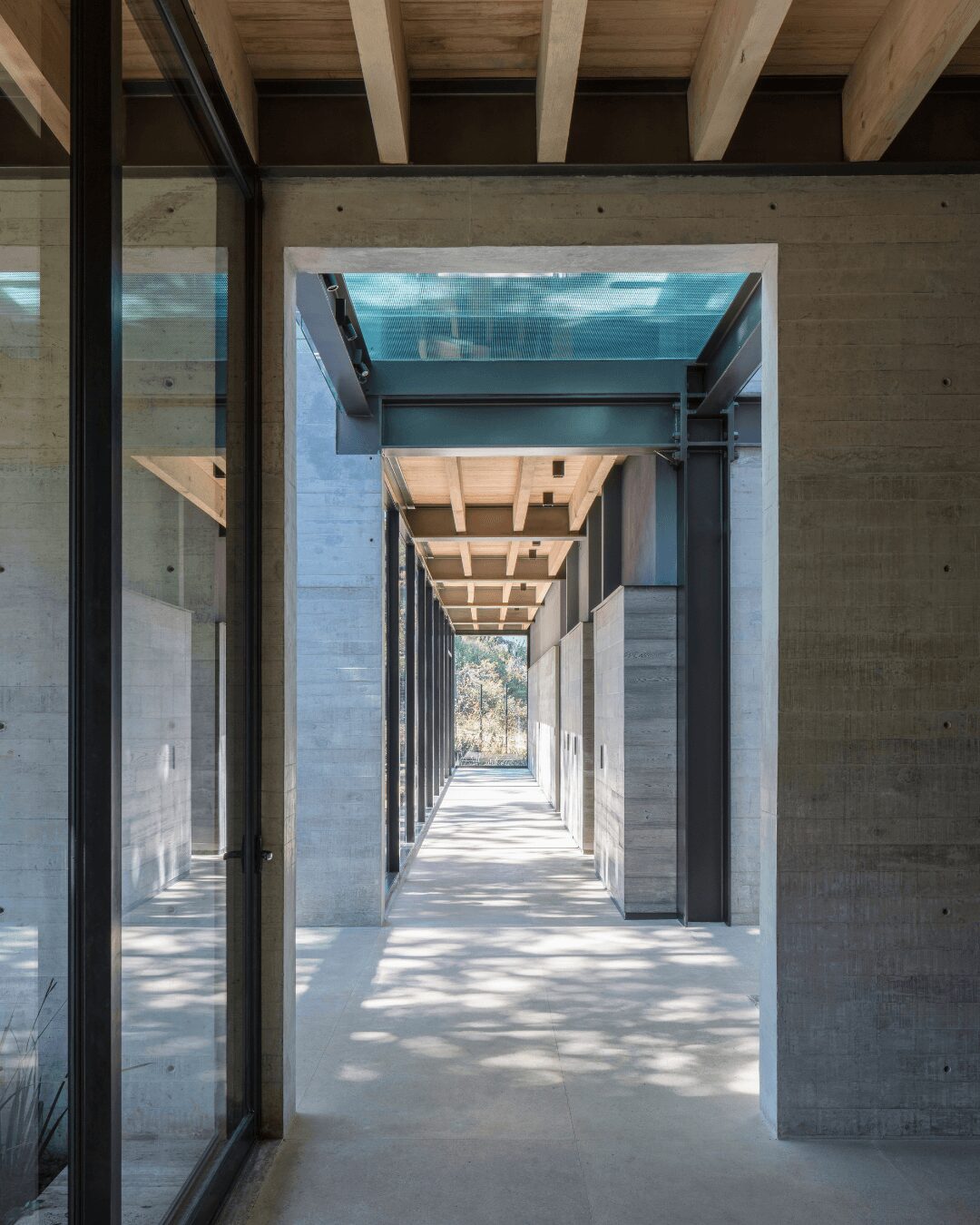
Beyond its aesthetic impact, natural light also plays an important role in the well-being of those who inhabit a space. Environments that receive abundant daylight tend to feel more comfortable and inviting, improving visual comfort and reducing the need for artificial lighting during the day. In this sense, contemporary architecture increasingly incorporates strategies that maximize natural light while maintaining privacy and thermal comfort.
Designing with natural light also requires a deep understanding of context. Each project responds to specific conditions: the site’s orientation, climate, vegetation, and its relationship with the surrounding urban environment. Studying these factors enables the definition of openings, shading systems, and architectural protections that regulate the entry of light and ensure a balance among illumination, comfort, and energy efficiency.
Within this approach, light stops being an additional element and becomes an integral part of the architecture itself. It defines circulation, highlights specific spaces, and shapes atmospheres that accompany the user’s experience. Through light, architecture gains a sensory dimension, connecting space with those who inhabit it.
At Grupo Arquitectura, natural light is an essential component of the design process. Each project is conceived with careful attention to how light interacts with space, how it reveals materiality, and how it shapes everyday experience. Integrating natural light thoughtfully allows architecture to become more open, more responsive to its surroundings, and deeply connected to the way people live within spaces.